
The Allure of Risk and Reward
The psychology behind gambling often interweaves itself with the fundamental human attraction to risk and reward. When individuals enter a casino, they are not merely seeking entertainment; they are chasing the intoxicating thrill that accompanies the possibility of winning. The chance to transform a small wager into a significant payout fuels excitement and desire, creating an environment ripe for engaging both the rational and emotional sides of our brains. Many players also explore the best online casinos to increase their opportunities to win, which generates an adrenaline rush that many find irresistible, leading them to take risks they might otherwise avoid.
Moreover, the anticipation associated with gambling plays a crucial role in enhancing the experience. As players place their bets and await the outcome, the build-up of suspense leads to heightened emotions. This is similar to the excitement felt in other risk-oriented scenarios, such as sports events or auctions. The moment of uncertainty keeps participants on edge, and the prospect of winning can trigger a dopamine release in the brain, reinforcing their behavior and making them more eager to gamble again. This biochemical reaction not only amplifies the thrill but also solidifies the connection between risk and reward in the minds of players.
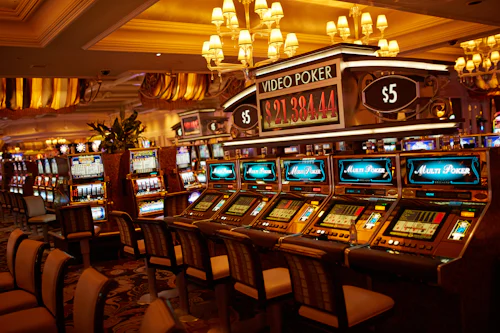
Additionally, casinos are designed to amplify these psychological responses. The atmospheric elements—such as lighting, sounds, and even scents—are meticulously curated to heighten senses and foster an environment where players feel both comfortable and excited. From the moment individuals walk through the doors, they are enveloped in a stimulating atmosphere that encourages them to engage in gambling, both socially and individually. The sounds of coins clinking, the flashing lights of slot machines, and the buzz of excitement create a sensory experience that is hard to resist, drawing players deeper into the world of gambling.
The Social Dynamics of Gambling
An essential aspect of gambling in casinos is its inherently social nature. While many may assume that gambling is a solitary activity, it often involves interaction with others, whether through shared games, conversations, or social settings. This social dimension provides individuals with a sense of belonging and camaraderie. Many players enjoy the thrill of betting alongside friends or meeting new people who share similar interests, fostering a community that celebrates the joys and sorrows of gambling together. This sense of community can be particularly appealing, as it enhances the overall experience and creates lasting memories.
This communal aspect can intensify the overall experience, transforming a simple game into a shared event. Storytelling, laughter, and excitement all contribute to a rich social experience that amplifies the enjoyment of gambling. Players bond over their wins and losses, and the stories they build around these moments can often become cherished memories. The environment within casinos, filled with laughter, cheers, and sometimes even commiseration, creates a unique social fabric that many find inviting and stimulating. These interactions often lead to stronger connections between individuals, enhancing the enjoyment derived from the gambling experience.
Moreover, casinos frequently host events, tournaments, and promotional nights that encourage social interaction. These events enhance the feeling of togetherness among patrons while providing opportunities for competition, which can be exhilarating. When players experience the highs and lows of gambling together, it fosters a sense of shared understanding that can be immensely fulfilling, making the act of gambling not just about money but about connection and community. The social dynamics at play in these environments can create a sense of belonging that draws people back to casinos time and again.
The Role of Emotion in Gambling Decisions
Emotion plays a paramount role in gambling behavior, often surpassing logic in influencing decisions. The highs and lows of winning and losing can trigger intense emotional reactions, leading individuals to make impulsive choices that they might not ordinarily consider in other contexts. For example, a person who experiences a significant loss may chase that feeling by increasing their bets, believing that the tide will eventually turn in their favor. This cycle can be difficult to break, as emotions drive a person’s desire to win back what was lost, leading them deeper into a potentially harmful gambling pattern.
In addition to the influence of specific outcomes, emotions are also shaped by the environment and peer dynamics within casinos. Players often find themselves swayed by the excitement of those around them, leading to choices driven by collective emotions rather than personal strategy or rational thought. This phenomenon, known as “groupthink,” occurs when individuals conform to the behavior of others, amplifying both the thrill of gambling and the potential for rash decision-making. The shared emotional experiences can lead to a sense of euphoria or despair that influences betting behavior significantly.
Importantly, casinos are aware of this emotional tug-of-war and utilize it to their advantage. Marketers create an image of gambling as a glamorous and thrilling endeavor, often showcasing winners and celebratory moments through advertisements. This emphasis on positive emotions can create a skewed perception of gambling, prompting individuals to engage in more risky behavior than they might otherwise consider prudent. Ultimately, understanding the powerful role of emotion in these environments reveals why many individuals are drawn to the allure of casinos, often against their better judgment, and why some may struggle to maintain control over their gambling habits.
Cognitive Biases and Gambling Behavior
Cognitive biases significantly influence gambling behavior, leading many individuals to misinterpret probabilities and outcomes. One common bias is the “gambler’s fallacy,” which leads individuals to believe that past outcomes affect future probabilities. For instance, if a player has witnessed multiple losses in a row, they may feel that a win is due, prompting them to continue betting despite the odds. This misjudgment can create a cycle of increased risk and potential loss, further trapping individuals in a gambling mindset. Recognizing this bias is crucial for players to make informed decisions.
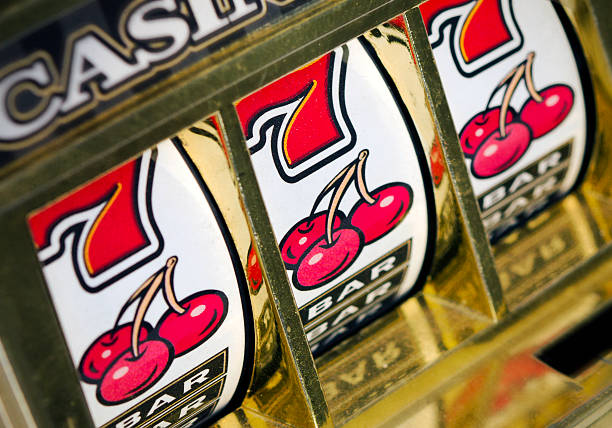
Another key cognitive bias is the “illusion of control.” Gamblers often believe they can influence outcomes through skill or strategy, even in games that are predominantly chance-based, such as slots or roulette. This belief can lead players to take greater risks, as they perceive themselves as having a degree of control over events that, in reality, are entirely random. This illusion keeps players engaged, as they continually seek to harness this perceived control, often leading to extended gambling sessions and increased financial risk. It is a dangerous mindset that can lead to significant losses.
Furthermore, reinforcement schedules in casinos are carefully designed to exploit cognitive biases. The variable reward system—where players receive occasional wins amidst a series of losses—encourages continued play, as the unpredictability of winning keeps players returning for more. This form of intermittent reinforcement is particularly potent, impacting behavior patterns similar to those found in addiction. Recognizing these cognitive distortions is essential for understanding why many feel compelled to gamble despite the risks and potential consequences. This understanding can also aid in developing strategies for responsible gambling and mitigating the negative impacts of these biases.
Understanding Gambling’s Impact on the Individual
The impact of gambling on individuals can be multifaceted, deeply influencing both personal lives and broader social dynamics. While many gamblers enjoy the thrill of occasional play without adverse effects, for some, the consequences can be severe. Problem gambling can lead to devastating financial situations, strained relationships, and detrimental mental health outcomes. Understanding these potential effects brings attention to the complexities of gambling psychology and the reasons why it can become an addiction for some. Recognizing the signs of problem gambling is crucial for those who may be affected.
Moreover, as casinos continue to evolve, their influence on individuals and society grows. The availability of online gambling platforms has made it easier for individuals to engage in betting without the social dimensions of traditional casinos. This shift raises concerns about the accessibility of gambling and its potential for spiraling out of control. Increased regulation and awareness of responsible gambling practices are essential in mitigating these risks and supporting those who may be vulnerable to issues stemming from excessive gambling. The digital landscape has created new challenges that need addressing.
Ultimately, the allure of casinos, combined with the psychological factors at play, creates a compelling and sometimes dangerous mix. Responsible engagement in gambling can lead to positive experiences, but recognizing the signs of problem gambling is crucial in ensuring that individuals can enjoy entertainment without falling into detrimental patterns. By fostering awareness and promoting healthy gambling habits, we can address both the psychological underpinnings and the social implications of this enduring fascination. The conversation around gambling needs to continue evolving to ensure that both enjoyment and safety can coexist.